The Holistic Nature of Vocal Training and Practice

You may love singing now– the feeling of your favorite songs, the way your body engages, the beautiful sounds that can be made. But the best thing about singing is that the pleasure of it exists alongside concrete paths to growth overall, as a human. This growth can be harnessed in a musical training context for amazing results.
An education in voice fosters growth in three main ways:
1. Intellectual stimulation: music theory and pedagogy, learning how breath, acoustics, sound, and music work as scientific systems that we can understand for our benefit. This is associated with “right brain” activity
2. Creative stimulation: since music, and especially the voice, is necessary to be taught through metaphor and experience, this activates our “left brain” to think things through outside of just logic, engaging our intuition, creativity, and flexible thought that promotes neuroplasticity in the brain.
3. Nervous System stimulation: singing activates the Vagus nerve, which controls when we are in “fight/flight/freeze mode” or in “rest and digest mode”. The vibration of your voice in the back of your throat prompts the parasympathetic nervous system (rest and digest mode). This promotes healthy stress responses and cardiovascular health, especially when paired with breath exercises often employed in a singing lesson.
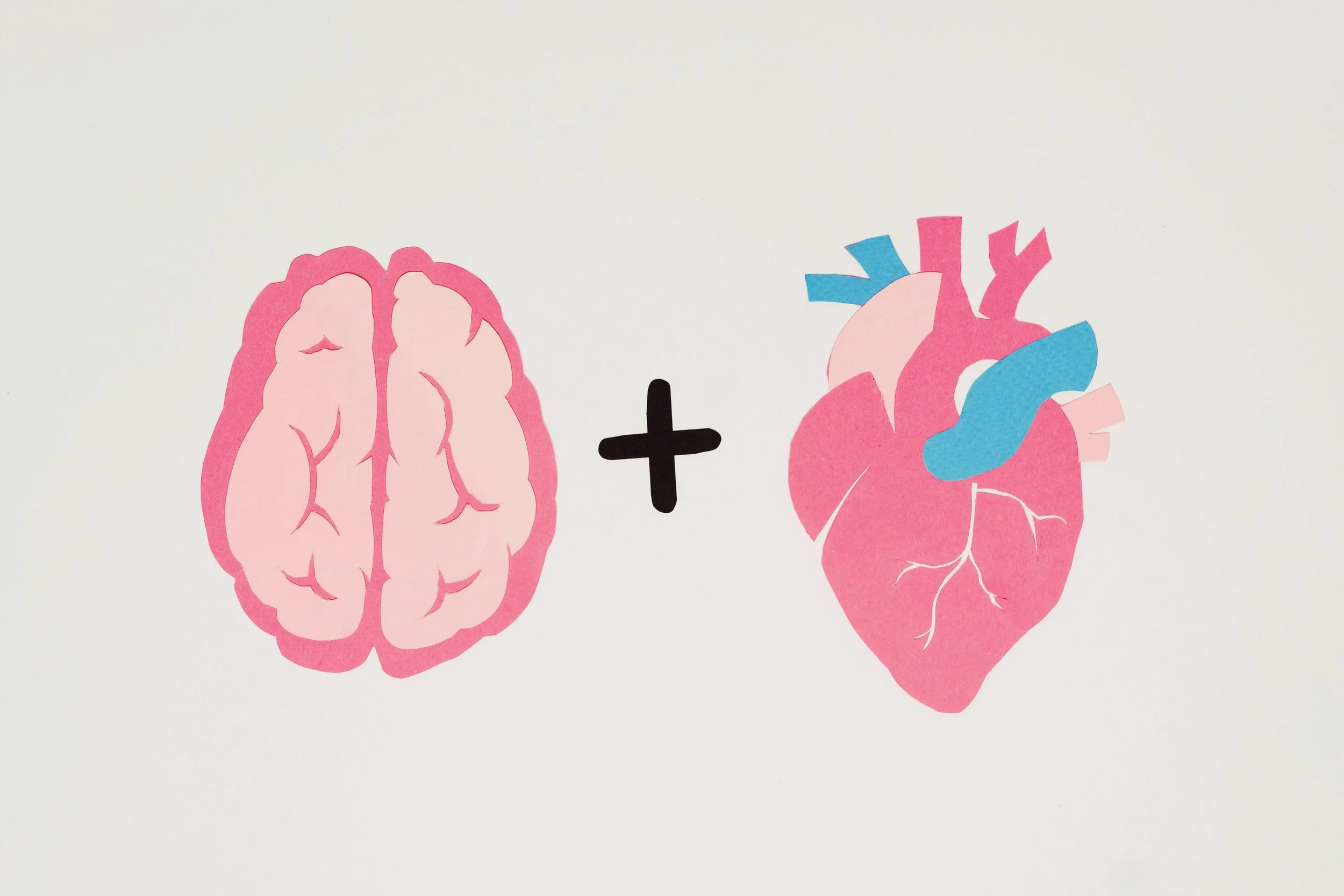
These three elements of vocal training and practice can lead to a healthier mind and body, as well as a more fulfilled individual. Studies have shown that an adequate balance between right and left brain stimulation improves memory, emotional regulation, and reduces anxiety. A well regulated nervous system also promotes a healthy heart, digestive system, and produces people more ready and able to chase and achieve their goals. The best thing about it however, is that all of these benefits occur without you even having to focus on them– they are natural consequences from an act as joyously simple as singing along to your favorite song! Bringing your casual love of singing into the practice studio increases and refines these natural benefits, in addition to expanding the social benefits of music, making you more ready to perform and connect through your voice. Being able to sing confidently in public can immensely contribute to social, mental, and physical health. There’s a reason that singing or chanting is implemented in nearly every spiritual practice found globally– A holistic system for overall health is embedded right in your throat.
by Jaz M. Jendersee